If you wear dentures, you may have experienced slipping, discomfort, or difficulty eating and speaking. One of the biggest concerns among denture wearers is how to keep their dentures secure and prevent them from shifting throughout the day.
Thankfully, denture stabilization options range from simple adhesives to implant-supported solutions that offer a more long-term and reliable fit. Whether you’re looking for temporary solutions or permanent fixes, understanding the available options will help you choose the best method for stabilizing your dentures.
In this guide, we will cover:
- The top denture stabilization options available
- How dental implants improve denture stability
- The pros and cons of adhesives, strips, and powders
- FAQs about denture stabilization solutions
- Expert advice on choosing the best option for your needs
If you’re ready to improve the comfort, functionality, and stability of your dentures, keep reading to discover the best denture stabilization methods.
Why Do Dentures Need Stabilization?
Traditional dentures rely on suction and adhesives to stay in place, but over time, they may become loose due to natural changes in your mouth, including bone loss and gum shrinkage.
A Loose Denture Can Cause
- Slurred speech or difficulty speaking clearly
- Difficulty chewing certain foods
- Gum irritation from constant movement
- Embarrassing slipping or clicking sounds
Denture stabilization methods help prevent these issues by ensuring a more secure and comfortable fit.
Denture Stabilization Options: From Implants to Adhesives
1. Implant-Supported Dentures (Best Long-Term Solution)
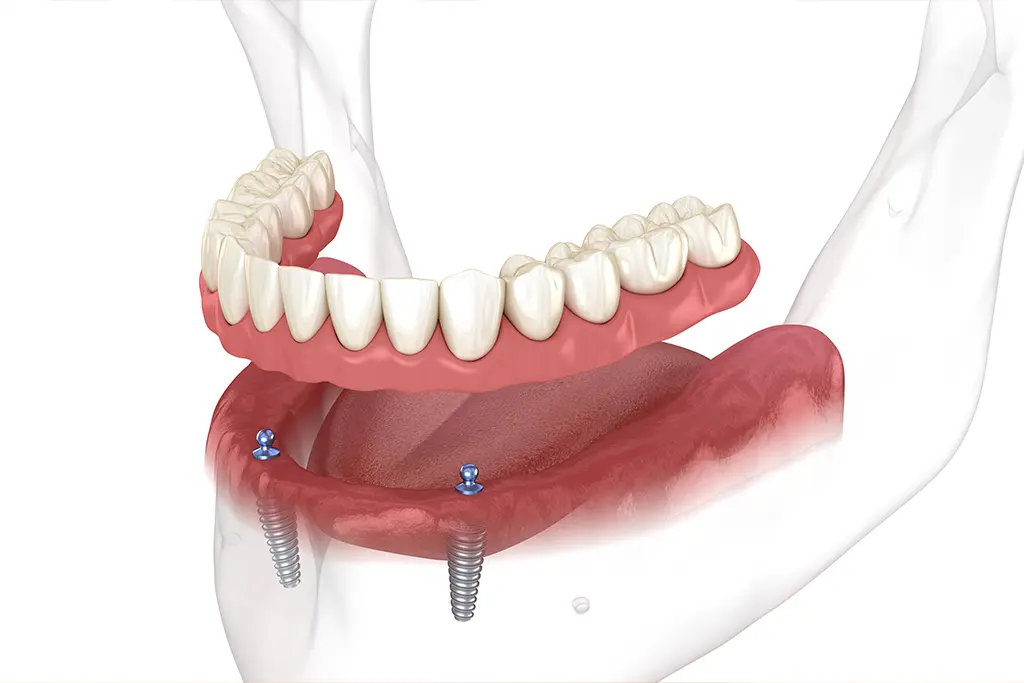
Implant-supported dentures are the gold standard for stability because they attach directly to dental implants placed in the jawbone.
Types of Implant-Supported Dentures:
- Snap-On (Overdenture) Dentures – Attach to 2-4 implants and can be removed for cleaning.
- Fixed Implant Dentures – Attached to 4-6 implants and are non-removable, providing a permanent, natural feel.
Best For: Those looking for a long-lasting, secure solution without relying on adhesives.
Pros:
- Maximum stability and chewing power
- Prevents bone loss and facial sagging
- No need for denture adhesives
Cons:
- Higher initial cost
- Requires surgery and healing time
2. Denture Adhesives (Affordable, Temporary Fix)
Denture adhesives come in creams, powders, and strips that provide temporary security by creating a seal between the denture and gums.
Types of Denture Adhesives:
- Denture Creams (like Poligrip or Fixodent) – Provide strong adhesion but may leave a sticky residue.
- Denture Powders – Easier to clean and offer a lightweight hold.
- Adhesive Strips – Pre-cut thin strips that provide mess-free application.
Best For: Short-term use or for those not ready for implants.
Pros:
- Easy to use and affordable
- Improves suction and stability
- Available over the counter
Cons:
- Not a permanent fix (requires reapplication)
May cause irritation if used excessively
3. Soft Reline for Better Fit
A soft reline is a procedure where the dentist adds a cushion-like material to the inside of your denture to create a snugger fit.
Best For: Denture wearers experiencing gum irritation or loose-fitting dentures.
Pros:
- Provides instant relief from irritation
- Can be done in a single visit
- Improves denture comfort
Cons:
- Temporary fix (relines wear out over time)
- May require frequent adjustments
4. Mini Dental Implants (Faster, Less Invasive Alternative to Full Implants)
Mini dental implants (MDIs) are smaller versions of traditional implants that can stabilize dentures with a quicker, less invasive procedure.
Best For: Patients with bone loss who don’t qualify for full-size implants.
Pros:
- Less expensive than full implants
- Shorter healing time
- Provides stronger stability than adhesives
FAQs
For maximum stability and long-term results, implant-supported dentures are the best choice. However, if you need a temporary solution, denture adhesives or relines can help.
With proper care, dental implants can last a lifetime, while the denture itself may need replacement every 5-10 years due to natural wear.
Yes! Implant-supported dentures allow you to eat all types of food, including hard or crunchy foods, with confidence.
Yes, denture adhesives can provide a stronger hold, but they are a temporary fix and require daily reapplication.
If you experience loose dentures, gum irritation, or difficulty eating, you may benefit from denture stabilization methods like implants, relines, or adhesives.
Some insurance plans partially cover the cost of implant-supported dentures. Macomb Dental Group offers flexible payment plans to make treatment more affordable.
Yes! If you’re currently using traditional dentures, you can upgrade to implant-supported dentures at any time. Your dentist will assess if you have enough jawbone density for implants.
Conclusion: Which Denture Stabilization Option Is Right for You?
If you’re facing issues with loose and uncomfortable dentures, several stabilization methods can help. Implant-supported dentures provide the most reliable and long-lasting fit, ensuring security and comfort. For more immediate solutions, denture adhesives can be used to provide temporary hold, and relines can improve the fit of your existing dentures. Each option caters to different needs, allowing individuals to choose the best approach to enhance their denture experience and regain confidence.
At Macomb Dental Group Sterling Heights, MI, we specialize in customized denture stabilization treatments to help restore your smile, confidence, and quality of life.
Call us today at (586) 250-3990 to schedule your consultation!
Visit us at: 37734 Van Dyke Ave, Sterling Heights, MI 48312
Let us help you find the best solution for a secure, comfortable smile!
Macomb Dental Group is here to help! Contact us today to discuss the best denture stabilization option for you.
Bibliography & Sources

At Macomb Dental Group in Sterling Heights, MI, we provide dental implants—an effective, natural-looking solution for replacing missing teeth. Unlike traditional dentures, dental implants are securely anchored into the jawbone, offering unmatched stability and a feel that closely mimics natural teeth. Implants help preserve jawbone structure, prevent bone loss, and enhance both the function and appearance of your smile. With proper care, dental implants are a long-lasting option that allows you to eat, speak, and smile with confidence. Contact us today to learn how dental implants can restore your smile and transform your quality of life!
We are Dental Implant Specialists in Sterling Heights, MI.
At Macomb Dental Group in Sterling Heights, MI, we provide dental implants—an effective, natural-looking solution for replacing missing teeth. Unlike traditional dentures, dental implants are securely anchored into the jawbone, offering unmatched stability and a feel that closely mimics natural teeth. Implants help preserve jawbone structure, prevent bone loss, and enhance both the function and appearance of your smile. With proper care, dental implants are a long-lasting option that allows you to eat, speak, and smile with confidence. Contact us today to learn how dental implants can restore your smile and transform your quality of life!