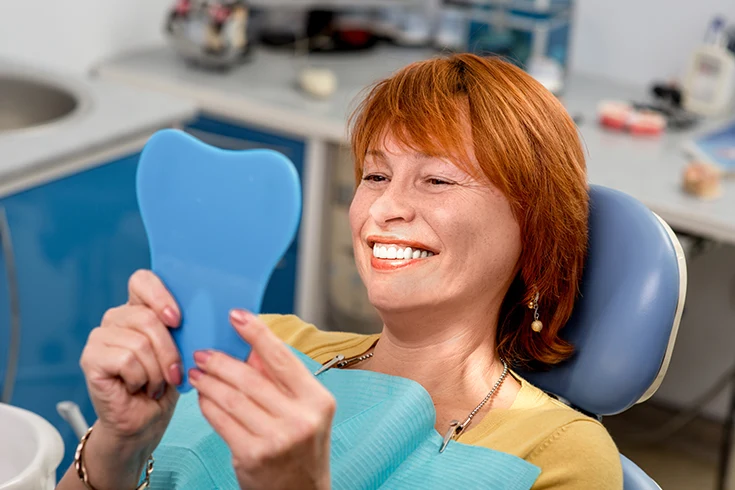
If you wear dentures or are considering having them, one question will come to your mind for sure: how long do dentures last? The short answer is that dentures do not last forever. Most dentures last 5 to 10 years, depending on the type, materials, oral health changes, and how well they are cared for. Dentures that are uncared for need adjustment or replacement sooner than those with excellent care and regular dental visits.
Dentures are an investment of choice to enhance your comfort, confidence, and daily functioning. Knowing their lifespan would help you plan, protect your oral health, and avoid sudden discomfort or costly overhead expenses.
Today, you will learn how long dentures last, what affects their lifespan, how to extend their durability, and when replacement is a must.
How Long Do Dentures Last on Average?
Dentures have a predictable lifespan but no fixed expiration date. Most patients with dentures fall within a general lifespan range that varies based on several factors.
Full dentures: 5-10 years.
Partial dentures: 7-15 years.
Immediate dentures: 6 months to 2 years.
Implant-supported dentures: 10-20 years.
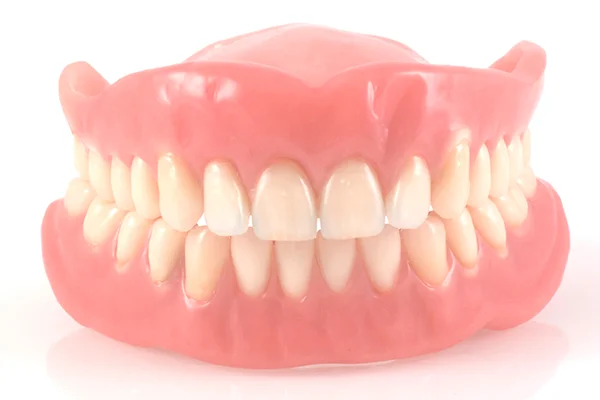
These lifespan ranges are influenced by daily wear and the inevitable changes in the jawbone and gum tissue that occur over time. Even if dentures appear visually intact on the outside, they may no longer fit properly beneath, leading to discomfort.
Understanding the longevity of dentures is crucial for preventing potential issues such as sore gums, difficulty in chewing, and noticeable changes in facial aesthetics. Regular check-ups with a dental professional help ensure that your dentures continue to serve you well and maintain your comfort and health.
How Long Do Full Dentures Last?
Full dentures typically have a lifespan of 5 to 10 years. However, with diligent care and maintenance, some full dentures can continue to function effectively for 10 to 15 years.
As time goes on, full dentures may begin to feel increasingly loose and unstable, which can create a sense of discomfort and irritation in the mouth. This instability often leads to the development of sore spots on the gums, making the simple act of chewing food a challenging endeavor. Moreover, these issues can also impact the clarity of speech, causing words to come out muffled or pronounced incorrectly. Even the most expertly crafted dentures cannot withstand the inevitable changes in the jawbone that occur following tooth loss, ultimately diminishing their snug fit and effectiveness.
How Long Do Partial Dentures Last?
The typical lifespan of partial dentures ranges from 7 to 15 years, primarily due to their reliance on existing natural teeth for stability. However, the durability of these dentures is greatly influenced by the overall health of the mouth.
Several factors may necessitate the earlier replacement of partial dentures. If the natural teeth that anchor the dentures develop cavities or are affected by gum disease, it can undermine the support structure, leading to potential issues with the dentures. The clasps that secure the partial dentures to the natural teeth can become worn down or loosen over time, compromising the fit and functionality of the dentures. Moreover, changes in bite alignment can occur due to natural wear and tear or other dental treatments, affecting how partial dentures fit and function.
How Long Do Immediate Dentures Last?
Immediate dentures are specially designed to be placed immediately following tooth extraction, providing a crucial solution for individuals facing tooth loss. Immediate dentures serve a temporary purpose, typically lasting anywhere from 6 months to 2 years. One of their primary roles is to protect the delicate gums during the healing process, offering a sense of security and functionality during a time of transition.
It’s important to understand that immediate dentures are not intended as a permanent solution. After the extraction of teeth, the jawbone begins to reshape rather quickly, leading to changes in fit and comfort. As a result, immediate dentures tend to loosen more rapidly than traditional dentures that are fitted after the gums have fully healed. Once the healing period is complete, which may vary from individual to individual, the recommendation for a more permanent denture solution generally follows to ensure optimal comfort and function.
How Long Do Implant-Supported Dentures Last
Implant-supported dentures are firmly anchored to dental implants that are surgically placed into the jawbone, creating a stable and secure foundation for the prosthetic teeth. These advanced dentures boast an impressive longevity, typically lasting between 10 and 20 years, while the dental implants themselves are known to endure for several decades when they receive proper care and maintenance.
One of the standout benefits of implant-supported dentures is their ability to stimulate the jawbone. This stimulation is crucial, as it helps to prevent bone loss that often occurs after tooth loss. By maintaining the health and density of the jawbone, these implants allow the dentures to retain their fit and comfort for a significantly longer period compared to traditional dentures. This unique feature not only contributes to improved functionality but also enhances the overall aesthetic appearance, allowing individuals to enjoy their smiles with confidence.
Factors That Determine How Long Dentures Last
Dentures do not wear out at the same rate for everyone. There are numerous factors that determine how long dentures will last.
Let’s find out what they are.
- Denture Material Quality: Dentures made with high-quality acrylics, porcelain teeth, and reinforced bases last longer than low-cost alternatives. Durable materials resist cracking, staining, and tooth wear.
- Changes in Jawbone and Gums: Bone loss continues after tooth loss. This is the most common reason dentures need replacement, even when they look intact.
- Daily Denture Care: Poor cleaning habits shorten denture lifespan. Plaque buildup, stains, and bacteria weaken materials and irritate gums.
- Oral Health and Habits: Grinding, clenching, smoking, and poor nutrition increase wear. Regular dental visits help catch small issues before they become major problems.
How Long Do Dentures Last With Proper Care
With proper care and good oral hygiene, dentures often reach or exceed their expected lifespan. Given below are two ways you can ensure dentures last longer.
Daily Care That Extends Denture Life
- Clean dentures daily with a non-abrasive cleanser.
- Rinse after meals.
- Store dentures in water overnight.
- Avoid hot water, which can warp them.
Professional Maintenance
Regular dental checkups allow your dentist to:
- Adjust fit.
- Smooth sore spots.
- Identify cracks or wear early.
Routine visits that include the General Dentistry options play a major role in denture longevity.
How Long Do Dentures Last Compared to Other Tooth Replacement Options
Let us quickly draw a brief comparison between dentures and other tooth replacement solutions.
Dentures vs Dental Implants
While dentures are a more affordable option upfront, they generally last fewer years compared to dental implants. Implants offer long-term stability, prevent bone loss, and require less maintenance over time.
Dentures vs Dental Bridges
Dental bridges, like partial dentures, typically last 10 to 15 years. However, they rely on the strength of adjacent teeth for support, which may impact their longevity compared to dentures, which do not depend on nearby teeth.
Final Takeaway
So, how long do dentures last? For most people, dentures last between 5 and 10 years, with partial dentures often lasting longer and implant-supported dentures lasting the longest. Their lifespan depends on materials, oral health changes, and daily care. Dentures that no longer fit properly affect your chewing, speech, and long-term oral health. Regular evaluations ensure your dentures continue to support a healthy, confident life.
Contact Us and take the next step toward a secure, confident smile. Book your appointment today.
FAQs
Most dentures last 5 to 10 years before replacement is recommended due to jawbone changes and material wear.
Yes, with excellent care and regular dental visits, some dentures last longer, especially partial and implant-supported dentures.
Even if dentures feel fine, underlying bone changes may require replacement. Dentures should be checked every 5 years.
Teeth wear down over time, and jawbone shrinkage causes dentures to lose their fit.
Clean them daily, avoid hard foods, store them properly, and visit your dentist regularly for adjustments and evaluations.
Signs dentures need replacing are loosening, gum sores, trouble chewing, a clicking sound, facial changes, and cracks or wear.

At Macomb Dental Group in Sterling Heights, MI, we provide dental implants—an effective, natural-looking solution for replacing missing teeth. Unlike traditional dentures, dental implants are securely anchored into the jawbone, offering unmatched stability and a feel that closely mimics natural teeth. Implants help preserve jawbone structure, prevent bone loss, and enhance both the function and appearance of your smile. With proper care, dental implants are a long-lasting option that allows you to eat, speak, and smile with confidence. Contact us today to learn how dental implants can restore your smile and transform your quality of life!
We are Dental Implant Specialists in Sterling Heights, MI.
At Macomb Dental Group in Sterling Heights, MI, we provide dental implants as an effective, natural-looking solution for replacing missing teeth. Unlike traditional dentures, dental implants are securely anchored into the jawbone, offering unmatched stability and a feel that closely mimics natural teeth. Implants help preserve jawbone structure, prevent bone loss, and enhance both the function and appearance of your smile. With proper care, dental implants are a long-lasting option that allows you to eat, speak, and smile with confidence. Contact us today to learn how dental implants can restore your smile and transform your quality of life!