Dental health can become a concern as we age, especially when it comes to tooth loss. Many people may assume that age is a barrier to receiving dental implants. However, dental technology has advanced significantly, making dental implants a viable and effective option for individuals of all ages. The question remains: can seniors get dental implants? The answer is yes! Seniors can benefit from dental implants like younger patients, restoring their smiles and improving their quality of life.
Keep reading to explore how dental implants can be a great solution for seniors, the factors that make implants viable, and how they can improve your overall health and confidence.
Can Seniors Receive Dental Implants?
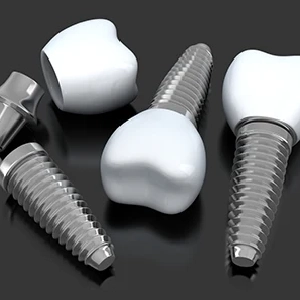
A common question is whether seniors are eligible for dental implants. The simple answer is that age is no barrier to receiving dental implants. As long as seniors are in good general health and have sufficient bone density in their jaws, they are candidates for this restorative procedure.
Unlike other dental treatments, dental implants are placed directly into the jawbone as a replacement root for missing teeth. This makes them ideal for seniors suffering from bone loss in their jaws. Implants help stimulate the bone, preventing further deterioration, common in individuals who have lost teeth over time.
However, dental implant success in seniors depends on overall health. Certain medical conditions, like uncontrolled diabetes, bone disorders, or heart disease, can affect healing and implant success. Seniors should consult a qualified dentist to evaluate whether dental implants are right for them based on their health and oral condition.
Common Causes of Tooth Loss in Seniors
To understand why dental implants are a great solution for seniors, it’s important to know the common causes of tooth loss in older adults. Tooth loss becomes more frequent as we age due to various factors, and if left untreated, it can lead to further oral health complications. Here are the primary causes of tooth loss in seniors:
- Gum Disease (Periodontal Disease): According to the Centers for Disease Control and Prevention (CDC), approximately 60% of adults aged 65 years or older have periodontitis, highlighting the prevalence of this condition among seniors. Gum disease progresses without noticeable symptoms and weakens the gums and jawbone over time, often leading to tooth loss if untreated.
- Tooth Decay: Cavities and untreated dental issues can lead to the gradual breakdown of teeth, especially in seniors who may not visit the dentist regularly or maintain proper oral hygiene.
- Natural Wear and Tear: Teeth naturally wear down due to regular use. This can lead to cracks, fractures, and weakened teeth, which are more likely to be lost as people age.
- Bone Loss: Reduced bone density in the jaw is a common issue for seniors, making it harder for teeth to stay secure in the mouth. When teeth are lost, the jawbone in that area deteriorates, worsening the problem.
- Lifestyle Factors: Poor nutrition, smoking, and lack of proper oral care can accelerate tooth loss in seniors and contribute to gum disease or tooth decay.
Dental implants help address these issues by replacing missing teeth and preserving bone structure, making them an excellent option for seniors looking to improve functionality and appearance.
Benefits of Dental Implants for Seniors
Dental implants offer numerous advantages for seniors beyond simply replacing missing teeth. Here are a few key benefits:
- Improved Functionality: Dental implants restore the ability to chew and eat comfortably. Unlike dentures, which can slip or cause discomfort, implants are firmly anchored into the jaw, allowing seniors to enjoy their favorite foods again without worry.
- Enhanced Comfort: Implants feel and function like natural teeth, providing a stable and permanent solution that eliminates the irritation often associated with dentures.
- Aesthetic Appeal: Implants are designed to look and feel like real teeth, restoring a natural appearance. This improves both self-esteem and confidence, allowing seniors to smile without hesitation.
- Bone Preservation: Dental implants stimulate the jawbone, helping to prevent bone loss that often occurs after tooth extraction. This maintains the structure of the face and supports long-term oral health.
- Boosted Self-Esteem: Missing teeth can affect self-confidence. With implants, seniors can regain smiles, improving their mental well-being and self-assurance.
Do Dental Implants Have an Age Limit?
There is no specific age limit for receiving dental implants. The critical factors determining eligibility for seniors are overall health and bone density. As long as a senior has adequate bone in the jaw to support the implant, they are a suitable candidate for the procedure.
However, bone density often decreases with age, making it harder for the implant to anchor properly. In such cases, bone grafting may be necessary to restore the lost bone mass before implant placement. Seniors also need to be in generally good health, free from conditions that could complicate the healing process, such as severe heart disease or uncontrolled diabetes.
By working with a qualified dentist, seniors of any age can successfully receive dental implants and enjoy the benefits of restored oral health.
Are There Potential Challenges for Seniors Receiving Dental Implants?
While dental implants are safe and effective for seniors, some potential challenges exist. With proper care, many seniors can still enjoy the long-term benefits of dental implants. Here are a few key challenges:
- Longer Healing Time: Seniors may experience slower healing due to natural changes in bone and tissue. This may extend recovery time, but following aftercare instructions can ensure successful healing.
- Pre-existing Health Conditions: Health conditions like diabetes, osteoporosis, or heart disease can affect healing. Before proceeding with implants, a full health evaluation is recommended to ensure the procedure’s success.
- Bone Loss: Seniors who have lost teeth for an extended period may experience bone loss in the jaw. If bone density is insufficient, bone grafting may be required to create a suitable foundation for the implant.
- Medication Side Effects: Certain medications, like blood thinners or medications for osteoporosis, may interfere with the implant procedure. Seniors need to discuss their medication history with their dentist.
- Oral Hygiene Challenges: Seniors with limited dexterity or other health issues may struggle to maintain proper oral hygiene. Regular dental check-ups and professional cleanings are essential for the long-term success of dental implants.
How to Prepare for Dental Implants as a Senior
If you’re a senior considering dental implants, proper preparation is essential for a successful procedure. Here are a few key steps to ensure you are ready:
- Consult with an Experienced Implant Dentist: Choose a dentist who specializes in implants and has experience working with seniors. They will understand the unique needs and challenges of older patients.
- Complete a Full Medical Evaluation: A comprehensive health check-up is essential to identify any medical conditions affecting healing, such as diabetes or heart disease. This will help your dentist assess your suitability for the procedure.
- Discuss Bone Health: Seniors with long-term tooth loss may have experienced bone deterioration in the jaw. If necessary, consult your dentist about bone grafting to ensure a stable implant foundation.
- Understand the Post-Operative Care Plan: Following all care instructions carefully after the procedure is crucial. Proper aftercare will promote healing and ensure the long-term success of your dental implants.
By following these steps, seniors can maximize their chances of a successful dental implant procedure and enjoy the benefits of restored oral health.
Why Dental Implants Are a Great Option for Seniors
Seniors can benefit from dental implants, regardless of age. Dental implants can restore function, appearance, and overall quality of life with proper care. They help seniors eat, speak, and smile confidently while preventing further bone loss and maintaining oral health. There’s no reason to let age stop you from improving your oral health and self-esteem.
Schedule Your Dental Implant Consultation at Macomb Dental Group in Sterling Heights Today
At Macomb Dental Group, we provide high-quality dental implants for seniors. Our skilled team will guide you through the entire process, from the initial consultation to post-procedure care, ensuring a smooth and successful experience. Let us help you regain your confidence and enjoy a healthy, beautiful smile again.
Contact us today at (586) 745-9193 or visit us at 37734 Van Dyke Ave, Sterling Heights, MI 48312 to schedule your consultation. We look forward to helping you achieve the smile you deserve.
FAQs
Dental implants are an excellent option for those 70 and older, as long as you’re in good overall health. They restore function, improve speech, and enhance appearance, offering seniors lasting benefits that significantly improve their quality of life.
While free dental implants are uncommon, some dental schools, nonprofit organizations, or government programs offer discounted rates for seniors. Check with local clinics or dental programs to find affordable or subsidized dental care options.
There’s no specific age limit for dental implants. The most important factors are your general health and jawbone density. As long as you’re healthy and have sufficient bone structure, age is rarely a barrier to receiving implants.
Medicare does not cover dental implants. However, some Medicare Advantage plans may offer partial coverage for dental services. Contact your insurance provider to understand your coverage and explore alternative payment options or financing plans.
If you can’t afford dental implants, consider payment plans and financing options, or look into dental schools that offer discounted services. Some clinics offer grants, sliding scale fees, or work with programs that help seniors access affordable dental care.
Dental implants for seniors range from $3,000 to $4,500 per implant, depending on complexity and location. Additional treatments like bone grafting may raise the overall cost. Consult with a dentist for a more personalized estimate.
Bibliography & Sources

At Macomb Dental Group in Sterling Heights, MI, we provide dental implants—an effective, natural-looking solution for replacing missing teeth. Unlike traditional dentures, dental implants are securely anchored into the jawbone, offering unmatched stability and a feel that closely mimics natural teeth. Implants help preserve jawbone structure, prevent bone loss, and enhance both the function and appearance of your smile. With proper care, dental implants are a long-lasting option that allows you to eat, speak, and smile with confidence. Contact us today to learn how dental implants can restore your smile and transform your quality of life!
We are Dental Implant Specialists in Sterling Heights, MI.
At Macomb Dental Group in Sterling Heights, MI, we provide dental implants as an effective, natural-looking solution for replacing missing teeth. Unlike traditional dentures, dental implants are securely anchored into the jawbone, offering unmatched stability and a feel that closely mimics natural teeth. Implants help preserve jawbone structure, prevent bone loss, and enhance both the function and appearance of your smile. With proper care, dental implants are a long-lasting option that allows you to eat, speak, and smile with confidence. Contact us today to learn how dental implants can restore your smile and transform your quality of life!