
A root canal is a critical procedure that can save your tooth and alleviate pain caused by deep infections or damage. Although it’s a common treatment, many patients wonder, “How long does a root canal take?” Understanding the process and the time it will take can help reduce anxiety and ensure you’re fully prepared for your dental appointment.
In this blog post, we will break down the root canal process, discuss the factors that affect its duration, and guide you through what you can expect during your visit with us.
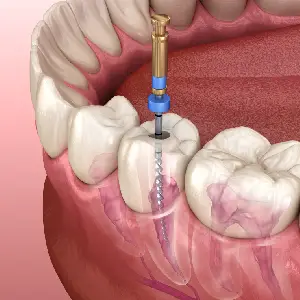
What Is a Root Canal?
How Long Does a Root Canal Take?
The length of a root canal can vary based on a variety of factors, but on average, the procedure lasts between 60 to 90 minutes. However, the exact time required will depend on the complexity of the case and the location of the affected tooth.
Key Factors Affecting Duration
- Tooth Location
- Front Teeth (Incisors and Canines): These teeth usually have a simpler structure with fewer canals, making the procedure faster.
- Back Teeth (Molars and Premolars): These teeth have multiple roots and canals, often making the procedure longer due to the need for more detailed cleaning.
- Front Teeth (Incisors and Canines): These teeth usually have a simpler structure with fewer canals, making the procedure faster.
- Tooth Condition
- The extent of the infection or damage can influence the treatment time. If the infection has spread to the surrounding bone or the tooth is severely decayed, additional time may be needed for thorough cleaning and sealing.
- The extent of the infection or damage can influence the treatment time. If the infection has spread to the surrounding bone or the tooth is severely decayed, additional time may be needed for thorough cleaning and sealing.
- Complexity of the Root Canal
- If the tooth has calcified (hardened) canals, or if there are multiple canals that need to be treated, it can increase the procedure’s length. Additionally, the dentist may need to remove old fillings or other materials before proceeding with the root canal.
- If the tooth has calcified (hardened) canals, or if there are multiple canals that need to be treated, it can increase the procedure’s length. Additionally, the dentist may need to remove old fillings or other materials before proceeding with the root canal.
- Anesthesia and Comfort
- While the local anesthesia generally numbs the area, the dentist may need additional time to ensure you’re completely comfortable. The time it takes for anesthesia to take effect can also add a few minutes to the overall appointment.
The Root Canal Process and Its Time Breakdown
Here’s a breakdown of the typical stages of a root canal and how much time each one typically takes:
Step 1: Preparation and Numbing (10-15 minutes)
The dentist will begin by applying a local anesthetic to the area around the tooth. This numbs the tooth and surrounding tissues to ensure that the procedure is pain-free. The anesthesia process usually takes 10-15 minutes to fully take effect.
Step 2: Accessing the Tooth (10-20 minutes)
Once the area is numb, the dentist will create a small opening in the top of the tooth to access the infected pulp. This step takes around 10-20 minutes, depending on the tooth’s size and location.
Step 3: Cleaning the Root Canals (20-40 minutes)
The dentist will remove the infected pulp and clean out the root canals to eliminate bacteria and any decayed tissue. The time spent on this step depends on how many canals the tooth has and their complexity. This stage usually takes 20-40 minutes.
Step 4: Filling and Sealing the Tooth (10-20 minutes)
After the canals are thoroughly cleaned, the dentist will fill them with a biocompatible material (gutta-percha). The dentist will then seal the tooth with a temporary or permanent filling. This usually takes 10-20 minutes.
If the tooth requires a crown for added protection, a follow-up appointment will be scheduled to place the crown.
Can a Root Canal Be Done in One Visit?
In most cases, a root canal can be completed in one visit. However, if the infection is severe or if there are complications, your dentist may recommend a second visit. The need for a second appointment is common if a permanent crown or post-treatment restoration is needed.
If the infection is particularly widespread or if the tooth is a molar with multiple roots, your dentist may decide that it’s best to wait for the tooth to fully heal before placing a permanent filling or crown.
What Factors Can Influence the Duration of a Root Canal?
Several factors may influence how long a root canal takes:
- Tooth Complexity: Molars, for example, typically have more canals and may take longer to treat compared to a single-rooted front tooth.
- Infection Level: Severe infections or advanced decay may require more time to properly disinfect and seal the tooth.
- Specialist Involvement: In some cases, a root canal may be referred to an endodontist, a specialist trained in root canal therapy. Endodontists have advanced training in treating complex root canal cases and can sometimes complete the procedure more efficiently.
What Happens After a Root Canal?
After the root canal procedure, some patients may experience mild discomfort or sensitivity, but this typically resolves within a few days. Over-the-counter pain relievers are usually sufficient for managing any discomfort. It’s essential to follow your dentist’s aftercare instructions, which may include avoiding hard or chewy foods until the tooth is fully restored.
If the root canal is part of a larger treatment plan (like a crown), your dentist will schedule a follow-up appointment to place the permanent restoration.
Tips for Preparing for a Root Canal
To ensure a smooth procedure and reduce any anxiety, here are a few tips:
- Ask About Sedation Options: If you’re feeling anxious, talk to your dentist about sedation options to help you relax during the procedure.
- Avoid Eating Before the Procedure: A light meal before your appointment can help prevent discomfort.
- Follow Aftercare Instructions: After the procedure, adhere to your dentist’s instructions to ensure optimal healing.
Conclusion
So, how long does a root canal take? On average, the procedure takes 60 to 90 minutes, though the exact time can vary based on factors such as the tooth’s location, infection level, and complexity.
At Macomb Dental Group, we’re committed to providing exceptional care in a comfortable, efficient manner. If you need a root canal, don’t hesitate to contact us.
FAQs
Modern root canal procedures are performed under local anesthesia, which ensures that the treatment is virtually pain-free. Many patients report feeling little to no discomfort during the procedure. Any post-treatment discomfort is usually mild and can be managed with over-the-counter pain relievers.
After your root canal treatment, it’s advisable to wait until the numbness wears off before eating to avoid accidentally biting your cheek or tongue. Once the anesthesia has worn off, you can resume eating but should avoid hard or chewy foods until the tooth is fully restored.
Most patients recover from a root canal within a few days. Some mild discomfort or swelling may occur, but this typically resolves on its own. If you experience severe pain or swelling, contact your dentist immediately.
A root canal is usually necessary when a tooth’s pulp is infected or severely damaged. If left untreated, the infection can spread, leading to more serious complications, including tooth loss. If you’re unsure whether you need a root canal, your dentist can perform an evaluation to determine the best course of action.
Good oral hygiene, including regular brushing, flossing, and visiting your dentist for routine exams, can help prevent tooth decay and damage that might lead to the need for a root canal. Addressing cavities and cracks early can also help prevent more serious problems.
Bibliography & Sources

At Macomb Dental Group in Sterling Heights, MI, we provide dental implants—an effective, natural-looking solution for replacing missing teeth. Unlike traditional dentures, dental implants are securely anchored into the jawbone, offering unmatched stability and a feel that closely mimics natural teeth. Implants help preserve jawbone structure, prevent bone loss, and enhance both the function and appearance of your smile. With proper care, dental implants are a long-lasting option that allows you to eat, speak, and smile with confidence. Contact us today to learn how dental implants can restore your smile and transform your quality of life!
We are Dental Implant Specialists in Sterling Heights, MI.
At Macomb Dental Group in Sterling Heights, MI, we provide dental implants as an effective, natural-looking solution for replacing missing teeth. Unlike traditional dentures, dental implants are securely anchored into the jawbone, offering unmatched stability and a feel that closely mimics natural teeth. Implants help preserve jawbone structure, prevent bone loss, and enhance both the function and appearance of your smile. With proper care, dental implants are a long-lasting option that allows you to eat, speak, and smile with confidence. Contact us today to learn how dental implants can restore your smile and transform your quality of life!